During the last meeting of the Municipal Executive Committee, two resolutions were approved concerning the Archaeological Museum of Western Friuli, which is based at Torre Castle.
The first concerns the approval of the technical and economic feasibility study relating to the refurbishment of the exhibition layout and the purchase of equipment for the redevelopment of this museum. This project aims to improve the accessibility and usability of the exhibition space – which houses the collections from western Friuli and those from the Roman villa at Torre di Pordenone – for all categories of visitors. The project, funded by a regional grant of €146,400, involves improving and upgrading the lighting system, modernising the storage areas for non-exhibited artefacts, and refurbishing the entrance area and reception with technological aids to ensure that the exhibition route is accessible and usable even for people with physical, sensory or cognitive disabilities.
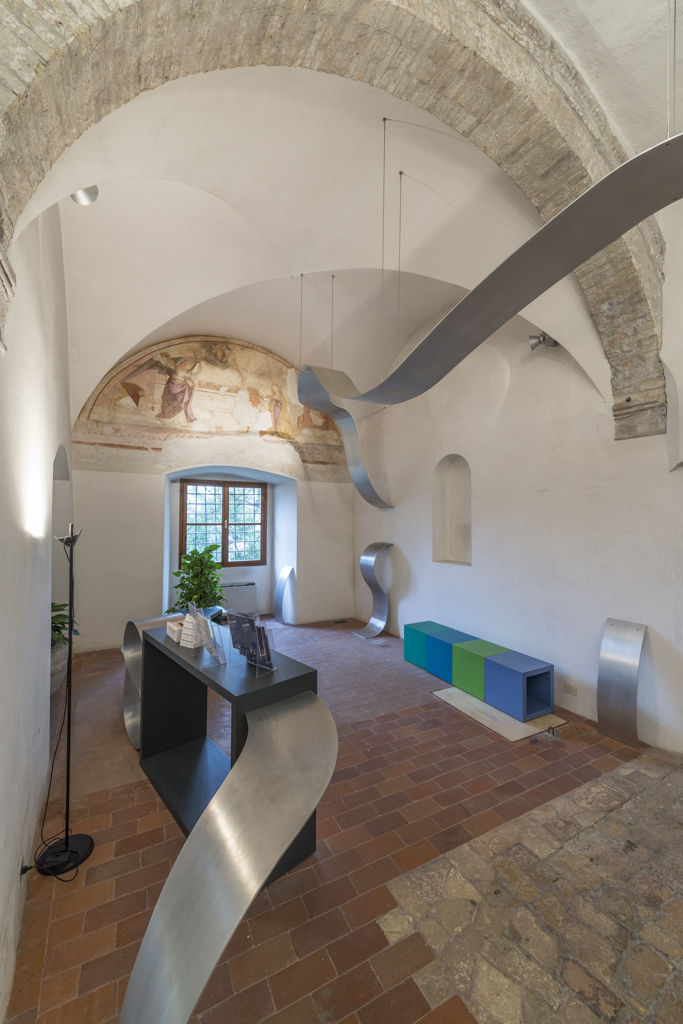
The second resolution formalises the approval of a funded project to fit out a number of exhibition rooms on the ground floor of the same museum building; these spaces are well-suited to being converted into exhibition areas, given their location within the museum. At present, these rooms are used sporadically and are not designed for this purpose, partly due to the lack of an adequate lighting system. The Administration’s aim is, therefore, to engage visitors with more modern and contemporary content, including through the appeal of multimedia and interactive elements. A grant of 70,000 euros from the Friuli Venezia Giulia Region has been confirmed to fund this project.
“These modernisation projects,” say Alberto Parigi, Councillor for Culture, and Mayor Alessandro Basso in a joint statement, “are essential for providing our city and the many visitors who frequent our museums with cultural venues that are increasingly attractive and modern. In this way, too, Pordenone is preparing to become the Italian Capital of Culture 2027, and our local council is confident that, thanks in part to the modernisation of the city’s museums, we will be able to bring more and more people into contact with culture – particularly young ‘digital natives’ – by combining traditional exhibition displays with new multimedia devices.”